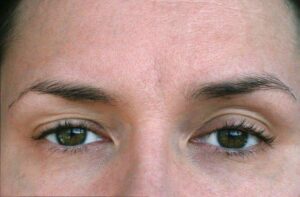
Dark circles beneath your eyes can make you look tired, even when you’ve had plenty of rest. You might notice deeper shadows, hollow areas or changes in the way your cheeks meet your lower eyelids.
If skincare products and better sleep haven’t made much difference, you may be wondering whether cheek fillers for dark circles could help. The answer depends on what’s causing the dark appearance beneath your eyes.
As you get older, changes in facial fat, skin and bone structure can affect the appearance of your midface. When your cheeks lose volume, the area beneath your eyes may appear more hollow, creating shadows that make dark circles more noticeable.
Cheek filler is one treatment that may help restore lost volume and improve the transition between your cheeks and lower eyelids. However, it cannot correct every type of dark circle, particularly those caused by pigmentation or visible blood vessels.
Understanding these differences is important before choosing any injectable treatment. This guide explains how cheek fillers work, when they may help and what you should know about the risks and results.
Why Do Dark Circles Appear Under Your Eyes?
Dark circles can develop for several reasons, and they aren’t always linked to tiredness. Your facial structure, genetics, skin pigmentation and natural ageing process can all influence their appearance.
Identifying the cause is important because different concerns require different treatments. A product that helps with pigmentation, for example, may have little effect on shadows caused by lost facial volume.
Loss of cheek volume
As you age, the fat compartments and supporting structures in your face gradually change. Your cheeks may lose some fullness, making the transition between your lower eyelids and cheeks more noticeable.
This can create a hollow appearance beneath your eyes, particularly when light falls from above. These shadows may look like dark circles, even when the skin itself hasn’t become darker.
For some people, restoring volume to the cheeks may soften these shadows. However, the amount of improvement depends on your facial anatomy and the cause of the hollow.
Genetics and facial structure
Some people naturally have deeper under-eye hollows or flatter cheekbones. These features can create shadows beneath the eyes from an early age.
Your bone structure and the position of facial fat influence how light falls across your face. This means dark circles aren’t always caused by ageing or a lack of sleep.
Changes in skin pigmentation
Dark circles may also develop because the skin beneath your eyes contains more pigment. Sun exposure, genetics and skin inflammation can all contribute to pigmentation changes.
These concerns may be more noticeable in some skin tones, particularly where pigmentation develops after irritation. Cheek filler doesn’t remove excess pigment, so another approach may be more suitable.
Thin skin and visible blood vessels
The skin beneath your eyes is naturally thinner than many other areas of your face. As it changes with age, underlying blood vessels may become more visible.
This can create a bluish or purple appearance that resembles dark circles. Adding volume to the cheeks won’t necessarily improve this type of discolouration.
Lifestyle and health factors
Poor sleep, allergies, dehydration and frequent eye rubbing can make dark circles more noticeable. These factors may cause temporary changes or worsen an existing concern.
Before considering filler, it’s worth understanding whether your symptoms have a medical or lifestyle-related cause. Sudden changes or swelling affecting one eye should be assessed by a healthcare professional.
How Can Cheek Fillers Help Dark Circles?
Cheek fillers are injectable treatments designed to add volume to selected areas of the midface. They commonly contain hyaluronic acid, a substance that helps provide volume within the treated tissues.
When cheek volume loss contributes to under-eye shadows, carefully placed filler may improve the surrounding facial contour. This can make certain dark circles appear less noticeable without treating the skin directly beneath the eyes.
Restoring lost cheek volume
Your cheeks help shape the area beneath your lower eyelids. When midface volume decreases, the transition between these areas can become more pronounced.
Cheek filler may restore some fullness and soften the appearance of this transition. For suitable patients, this can reduce shadows associated with under-eye hollows.
However, the treatment cannot restore every age-related change or physically lift all surrounding tissues. Your facial anatomy plays an important role in determining the result.
Improving the appearance of tired-looking eyes
A hollow appearance beneath the eyes can sometimes make your face look tired. Improving the cheek contour may help soften shadows that contribute to this appearance.
The aim should be to create a balanced result that works with your natural features. Cheek filler should not be expected to remove every dark circle or change the quality of your sleep.
Can cheek filler make dark circles disappear?
Cheek filler may reduce the appearance of dark circles caused mainly by shadows. However, it cannot directly treat pigmentation, visible blood vessels or every type of under-eye puffiness.
Some patients may notice an improvement, while others may see little difference beneath their eyes. A proper assessment helps determine whether filler is likely to address your main concern.
What about overall facial volume loss?
Under-eye hollows sometimes develop alongside volume loss in other areas of the face. In these cases, looking at the overall facial structure may be helpful.
Drs JJ provides information about its 8 Point Lift facial filler treatment, which considers multiple areas of facial volume loss. However, this approach isn’t automatically suitable for everyone with under-eye concerns.
Cheek Fillers vs Tear Trough Fillers: What’s the Difference?
Cheek filler and tear trough filler are both injectable treatments, but they target different areas of the face. Understanding how they differ can help you decide which questions to ask during your consultation.
Cheek fillers
Cheek filler is placed in selected areas of the midface to add volume and improve facial contours. When reduced cheek fullness contributes to under-eye shadows, treating this area may improve the appearance.
This approach does not involve placing filler directly into the under-eye hollow. However, cheek filler may not fully address a hollow caused mainly by the structures immediately beneath the lower eyelid.
Tear trough fillers
Tear trough filler is injected into the hollow between the lower eyelid and cheek. The aim is to add volume directly to the depression and reduce the shadow it creates.
The under-eye area contains delicate tissues and important blood vessels. Treatment can cause persistent swelling, lumps or a bluish appearance beneath thin skin.
Some people are unsuitable for tear trough filler because of existing puffiness or skin laxity. Careful assessment is essential before considering treatment in this area.
Is cheek filler safer than tear trough filler?
Treating the cheeks avoids injecting directly into the tear trough when the procedure is limited to the midface. However, cheek filler still carries risks, including serious vascular complications.
Neither treatment should be considered completely safe or suitable for everyone. The practitioner’s qualifications, anatomical knowledge and ability to manage complications are important considerations.
Which treatment produces more natural-looking results?
Both procedures can produce subtle changes when appropriately selected and performed. However, the outcome depends on your individual facial anatomy and the amount of filler used.
Excessive filler can create unwanted fullness or an unbalanced appearance. A conservative treatment plan may help reduce overcorrection, although it cannot eliminate every risk.
Who Is Suitable for Cheek Fillers?
Cheek filler may be suitable when reduced midface volume contributes to under-eye hollows and shadows. However, suitability depends on more than your age or how your face appears in photographs.
Your clinician should assess your facial structure, skin condition and medical history before recommending treatment. They should also consider whether another approach may better address your concerns.
When cheek filler may help
You may benefit from cheek filler if you have noticeable volume loss in the midface. This can become more apparent as facial tissues change with age.
If under-eye shadows are partly caused by this volume loss, treatment may improve their appearance. However, the results can vary, and complete correction shouldn’t be expected.
When cheek filler may not be suitable
Cheek filler is unlikely to help dark circles caused mainly by pigmentation or visible blood vessels. It also cannot remove excess eyelid skin or prominent fat bags beneath the eyes.
People with existing under-eye swelling may find that adding filler makes puffiness more noticeable. Certain medical conditions or previous procedures may also affect treatment suitability.
What if you have several under-eye concerns?
It’s possible to have under-eye hollows alongside pigmentation, fine lines or loose skin. These concerns may require different approaches rather than one treatment.
Your clinician should identify which problem contributes most to your appearance. This helps avoid unnecessary treatment and provides more realistic expectations.
When should you consider alternatives?
If your main concern is pigmentation, a skin-focused assessment may be more useful. Treatments such as skincare, selected resurfacing procedures or other medical options may be considered depending on the cause.
If you have significant under-eye bags or loose eyelid skin, surgery may be more appropriate in some cases. An experienced eyelid surgeon can assess whether a surgical approach is suitable.
What Happens During Cheek Filler Treatment?
Cheek filler treatment usually begins with a consultation to assess your concerns and facial anatomy. Your practitioner should explain what the procedure involves and whether it is suitable for your needs.
At Drs JJ in Birmingham, Dr Jasmine provides doctor-led injectable treatments. The clinic focuses on careful assessment, realistic expectations and helping you understand your options before proceeding.
Your initial consultation
Your practitioner should ask about your medical history, previous fillers, allergies and medications. They will also assess the relationship between your cheeks, lower eyelids and surrounding facial tissues.
You can explain whether your main concern is hollowing, dark circles or lost cheek volume. The consultation should help establish whether filler is likely to make a meaningful difference.
During the procedure
If treatment is appropriate, your practitioner will identify the areas requiring volume enhancement. Hyaluronic acid filler may then be injected using a needle or cannula, depending on the technique.
You may feel some pressure or discomfort during the injections. Your practitioner should explain the product being used and what to expect afterwards.
After your appointment
Temporary swelling, redness, tenderness and bruising can develop around the injection sites. These effects often improve over several days but may last longer.
You should receive clear aftercare instructions and information about possible complications. Any unusual symptoms should be reported promptly to your treating clinician.
Drs JJ also offers wrinkle-relaxing injections for certain expression lines around the face. These treatments work differently from cheek fillers because they target muscle activity rather than volume loss.
How Long Do Cheek Filler Results Last?
The visible results of cheek filler are temporary when using absorbable hyaluronic acid products. The duration depends on the product, treatment area and your body’s response.
Some cheek fillers may provide a visible effect for around 12 to 24 months. However, results vary, and some filler material may remain in the tissues for longer.
When will you notice a difference?
You may notice additional cheek volume immediately after treatment. However, early swelling can make it difficult to judge the final appearance.
As swelling settles, the treated area may begin to look more even. Your practitioner should explain when to review your results and whether further assessment is needed.
Will you need another treatment?
Some people choose further filler treatment when the visible effect begins to reduce. Others decide they are happy without additional injections.
Your clinician should reassess your face before recommending more filler. Repeating treatment without checking existing volume can lead to unwanted fullness.
Can cheek fillers be dissolved?
Hyaluronic acid fillers can sometimes be reduced or dissolved using an enzyme called hyaluronidase. However, the process carries its own risks and may require further treatment.
Not every type of filler can be dissolved using this method. Your practitioner should explain the product being used and the options available if a problem develops.
What Are the Risks and Costs of Cheek Fillers?
Cheek fillers are medical procedures and carry possible side effects and complications. Understanding these risks is essential before deciding whether treatment is appropriate.
Common side effects
Temporary bruising, swelling, redness and tenderness can occur after injections. Some people may also notice temporary unevenness as the area settles.
Other possible complications include lumps, inflammation, infection and filler movement. Some problems can develop weeks or months after treatment.
Serious complications
A rare but serious complication occurs when filler enters a blood vessel and blocks blood flow. This can cause tissue damage, and in extremely rare cases, permanent vision loss or stroke.
Severe or unusual pain, sudden changes in skin colour or visual disturbances require immediate medical attention. Sudden visual symptoms or signs of stroke should be treated as an emergency.
Your practitioner should understand facial anatomy and have suitable complication management procedures. You should also receive clear information about these risks before consenting to treatment.
How much do cheek fillers cost in Birmingham?
The price of cheek filler depends on the product used, treatment complexity and amount required. Different patients may need different approaches based on their facial structure.
Choosing treatment based solely on price can overlook important safety considerations. Practitioner qualifications, clinical standards and aftercare should also influence your decision.
You can review Drs JJ’s treatment price list for details about its aesthetic services. Your consultation should confirm the current price and whether treatment is suitable for you.
Frequently Asked Questions
Can cheek fillers remove dark circles completely?
Cheek fillers may improve dark circles caused by shadows from facial volume loss. However, they cannot directly remove pigmentation or visible blood vessels.
Some patients may notice a softer under-eye appearance, while others may experience limited improvement. The result depends on the underlying cause.
Will cheek fillers make my eyes look less tired?
Cheek fillers may soften under-eye shadows that contribute to a tired appearance. This can help in selected patients with midface volume loss.
However, treatment won’t resolve every cause of tired-looking eyes. Puffiness, pigmentation and skin changes may require different approaches.
Are cheek fillers better than tear trough fillers?
Neither treatment is automatically better for everyone. Cheek filler targets midface volume, while tear trough filler targets the hollow beneath the lower eyelid.
Your facial anatomy and the cause of your concern determine which options may be suitable. Both treatments carry potential risks that should be discussed.
How much cheek filler is needed for dark circles?
The amount required varies according to your facial structure and treatment goals. There is no standard quantity that works for everyone.
Your practitioner should recommend an amount based on careful assessment. Using more filler does not necessarily improve the result.
Will cheek filler make my face look puffy?
Cheek filler can cause temporary swelling after treatment. Excessive volume or unsuitable placement can also create unwanted fullness.
A conservative approach may reduce the likelihood of overcorrection. However, every injectable procedure carries potential risks.
Can cheek fillers help dark circles caused by ageing?
Cheek filler may help if age-related midface volume loss contributes to under-eye shadows. Restoring some volume can improve the transition between your cheeks and lower eyelids.
However, ageing also affects skin texture, elasticity and pigmentation. Filler won’t correct all these changes.
Is cheek filler suitable for everyone?
Cheek filler isn’t appropriate for every under-eye concern or medical situation. Your clinician should assess your facial anatomy, medical history and treatment expectations.
Sometimes, another treatment or choosing not to proceed may be more appropriate. A consultation helps you understand these options before making a decision.
Understanding Your Options for Dark Circles and Tired-Looking Eyes
Dark circles can develop for several reasons, including cheek volume loss, pigmentation and changes in skin structure. Understanding the cause is essential when deciding whether cheek filler is likely to help.
Cheek fillers may soften certain under-eye shadows by restoring volume to the midface. However, they cannot remove every dark circle, and the results depend on your facial anatomy.
If you’ve been considering treatment, a professional assessment can help you understand your options. It also gives you the opportunity to discuss the risks and ask questions about realistic results.
Find Out What’s Causing Your Under-Eye Concerns
At Drs JJ, Dr Jasmine provides doctor-led facial aesthetic consultations in Birmingham. She can assess your concerns, explain suitable treatment options and advise whether cheek filler may be appropriate.
You can discuss your goals in a calm, unhurried setting without feeling pressured to proceed. The aim is to help you make an informed decision based on your individual needs.
Enquire About a Facial Aesthetics Consultation
Your treatment recommendations will depend on your facial anatomy, medical history and clinical suitability.