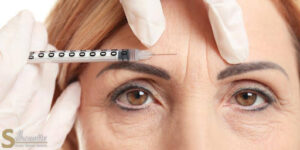
Upper eyelid tightening is often considered by people who feel that their eyes make them look tired, even when they feel well rested. You may notice that your upper eyelids look heavier than they used to, that makeup sits differently or that your eyes appear less open in photographs and video calls.
These changes can happen gradually, which means you may not notice them straight away. Then one day, you catch your reflection or see a recent photo and feel that your eyes no longer match how you feel.
The important thing to understand is that a tired appearance around the eyes is not always caused by loose skin alone. Before choosing any treatment, it helps to understand what is actually creating the change.
Why Do Upper Eyelids Start to Look Heavy?
The skin around your eyes is thinner than the skin on most other parts of your face. Over time, the body produces less collagen and elastin, which are responsible for keeping skin firm and supported.
As the skin becomes thinner and less elastic, it may begin to crease, loosen or sit more heavily over the upper eyelid. Changes to the position of the eyebrows and the natural distribution of fat around the eyes can also affect how open or rested the eyes appear.
For some women, these changes become more noticeable during perimenopause or menopause. Hormonal changes can affect skin hydration, thickness and firmness, which may make the upper eyelid area appear more creased or less supported.
Genetics also play a part. Some people naturally have heavier eyelids or a lower brow position, while others may develop these changes later in life.
Is Loose Skin Always the Cause?
It is easy to assume that loose eyelid skin is the main problem, but this is not always the case.
Sometimes, the brow gradually sits lower and pushes more skin towards the eyelid. In other cases, the muscle responsible for lifting the eyelid may not be working as strongly as it once did. Puffiness, hollowing, dark circles and changes in facial volume can also contribute to a tired appearance.
This matters because each cause requires a different approach.
A treatment designed to improve the quality of the skin may help with fine lines and mild looseness, but it will not correct a significantly lowered brow or a medical eyelid problem. This is why a proper assessment should look at the entire eye and forehead area rather than only the loose skin.
What Does Upper Eyelid Tightening Involve?
Upper eyelid tightening is a broad term rather than the name of one specific procedure.
For mild concerns, non-surgical treatments may be used to improve skin texture and encourage collagen production. For more noticeable folds of skin, surgical treatment may be the more suitable option.
The right choice depends on how much loose skin is present, the position of the eyebrows, the health of the eyes and the type of result you want.
Some people want a small improvement that helps them look more rested. Others have enough excess skin that it starts to affect the natural shape of the eyelid or even interfere with vision.
A good consultation should help you understand which category your concern falls into.
Can CO2 Laser Treatment Tighten the Upper Eyelids?
CO2 laser resurfacing is sometimes used to improve fine lines, skin texture and mild looseness around the eyes.
The treatment works by creating controlled areas of injury in the skin. This encourages the body to produce new collagen as the skin heals. Over time, the treated area may feel firmer and look smoother.
This type of treatment may be helpful when the main concern is crepey skin or fine lines. However, it cannot remove a large amount of excess eyelid skin.
The eye area is also delicate, so the treatment must be carried out with the correct eye protection and by a suitably trained practitioner. Your skin type, medical history and tendency to develop pigmentation must all be considered before treatment.
People with darker skin tones may have a greater risk of changes in pigmentation following some laser treatments. This does not automatically mean that treatment is unsuitable, but it does mean that careful assessment and appropriate settings are essential.
When Might Surgery Be More Suitable?
Upper eyelid surgery is known as upper blepharoplasty.
During the procedure, a surgeon removes excess skin from the upper eyelid. In some cases, muscle or fat may also be adjusted. The incision is usually placed within the natural crease of the eyelid.
Surgery may be considered when there is a noticeable fold of skin, when the eyelid feels physically heavy or when loose skin rests close to the eyelashes.
It may also be appropriate when the amount of excess skin is too significant for a non-surgical treatment to make a meaningful difference.
Although surgery can provide a more noticeable change, it also involves a longer recovery period and a different level of risk. Swelling, bruising and temporary discomfort are common during recovery. As with any procedure around the eyes, careful planning and an appropriately qualified surgeon are important.
Will Upper Eyelid Tightening Make Me Look Different?
This is one of the main concerns people have before considering treatment.
Most people do not want to change the shape or character of their eyes. They want to look less tired while still looking like themselves.
A natural result depends on choosing the right treatment and avoiding overcorrection. The upper eyelids need to remain able to close properly, and the natural relationship between the eyelids and eyebrows should be respected.
Removing or tightening too much can affect facial expression and, in some cases, eye comfort.
A cautious approach should aim to improve the appearance of heaviness without making the eyelids look unnaturally tight.
What Is the Recovery Like?
Recovery depends on the type and intensity of treatment.
After laser resurfacing, the skin may look red, swollen or feel sensitive. Peeling or flaking may happen as the skin heals. The area may also remain pink for a period of time.
More intensive laser treatments usually create more downtime than lighter treatments, although they may also produce a stronger effect.
Following eyelid surgery, swelling and bruising are common. Many people plan time away from work and social events while the area heals.
Before booking, it is sensible to discuss when you can return to work, wear makeup, exercise and use your usual skincare. This is especially important when you have a busy schedule or an important event coming up.
What Should You Ask During Your Consultation?
Your consultation should begin with a discussion about what you have noticed and what you would like to improve.
The practitioner should assess your eyelid skin, brow position, facial movement and overall eye area. They should also ask about your eye health, medical history, previous treatments and any symptoms of dryness or irritation.
You should leave the consultation knowing what is causing the tired appearance, which treatments may help and what each option cannot achieve.
You should also understand the risks, expected downtime, likely number of treatments and total cost before making a decision.
A consultation should provide clarity rather than pressure. In some cases, the best advice may be to wait, choose a different treatment or speak to an eye specialist or surgeon.
Can Skincare Improve the Upper Eyelids?
Skincare can help improve hydration, texture and the appearance of fine lines, but it cannot remove significant excess skin.
A well-chosen eye product may make the area look smoother and more hydrated. Daily sun protection can also help reduce further collagen damage.
However, strong active ingredients can irritate the eyelids, particularly when applied too close to the eyes. The skin in this area is sensitive, so products should be introduced carefully.
Skincare is often most useful as part of a wider plan rather than as a complete solution for heavy or loose eyelids.
How Do You Know Which Option Is Right for You?
The most suitable option depends on the cause of the change, not simply the treatment you have seen online.
Mild changes in skin texture may respond well to resurfacing or collagen-stimulating treatment. More significant skin folds may need a surgical opinion. A lowered brow or medical eyelid droop may require a different type of assessment altogether.
This is why starting with a diagnosis is more useful than booking a procedure based on a photograph or social media post.
The aim should be to understand what has changed and choose the least invasive option that can realistically achieve the result you want.
Start with a Proper Assessment
Upper eyelid tightening can help some people achieve a more rested and open appearance, but it is not the right answer for every tired-looking eye.
A consultation allows the practitioner to look at the skin, brow position and function of the eyelids before recommending treatment.
At Drs JJ, the focus is on doctor-led advice, realistic expectations and treatment plans based on your individual features. You should have the time to ask questions, understand your options and decide whether treatment feels right for you.
Book a consultation at Drs JJ in central Birmingham to discuss your upper eyelid concerns and find out which options may be suitable.
Your Next Step
Upper eyelid tightening should start with the right assessment, not a guess.
If you’re concerned about loose, crepey or heavy-looking upper eyelids, book a 45-minute Skin Analysis Consultation at our doctor-led clinic in central Birmingham. We’ll assess your eye area and skin properly, talk through what you want to improve, and give you honest advice, including saying “no” if treatment is not right for you.