Platelet-Rich Plasma (PRP) hair restoration is an innovative and minimally invasive procedure designed to stimulate hair growth and combat hair thinning or loss. Particularly relevant for menopausal women experiencing hair-related changes, PRP therapy harnesses the regenerative properties of one’s own blood components to promote hair follicle health and regrowth.
Menopause often triggers hormonal shifts that can lead to hair thinning due to reduced estrogen levels and increased androgen activity. PRP therapy can offer a potential solution by capitalizing on the growth factors present in platelets, the blood cells responsible for clotting and wound healing. The procedure involves several steps:
1. Consultation and Assessment: Menopausal women considering PRP therapy should first consult with a qualified medical professional. During this consultation, the patient’s medical history, hair loss pattern, and potential causes are discussed to determine if PRP is a suitable option.
2. Blood Collection: The procedure starts with a small blood sample taken from the patient’s arm. This blood is then placed in a centrifuge, a device that spins the blood at high speeds to separate its components.
3. Platelet Separation: The centrifuge separates the blood into its different components, with platelet-rich plasma being the key component of interest. This plasma contains a concentrated amount of growth factors, which play a vital role in tissue repair and regeneration.
4. Preparation and Anesthesia: Before applying PRP to the scalp, the area is cleansed, and a local anaesthetic might be applied to minimize discomfort during the procedure.
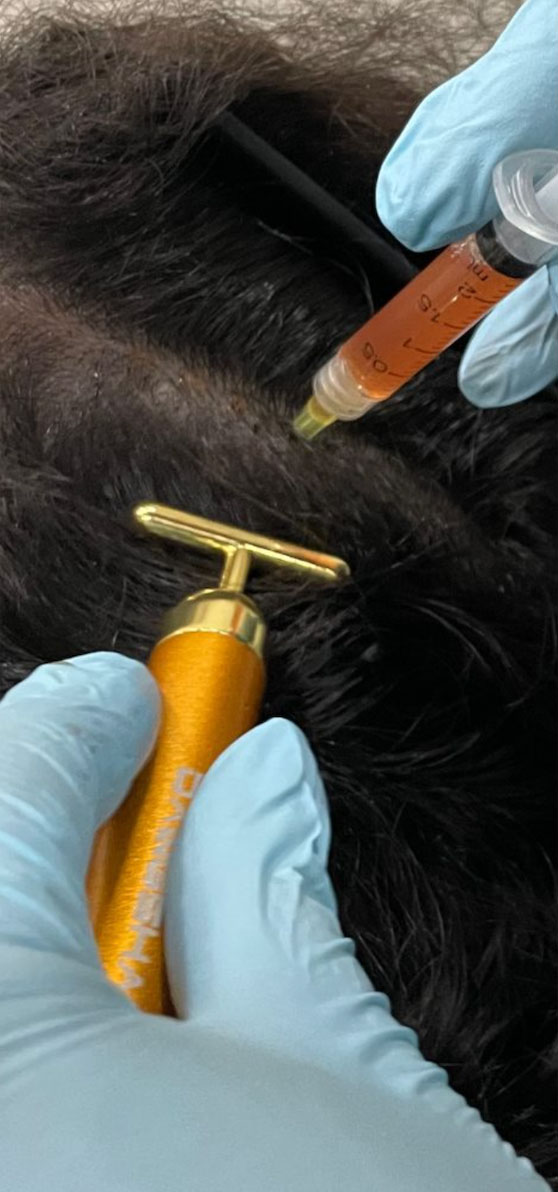
5. PRP Application: The concentrated PRP is carefully injected into the targeted areas of the scalp experiencing hair thinning or loss. The growth factors in PRP stimulate dormant hair follicles, encouraging them to enter the active growth phase and promoting the growth of thicker, healthier hair.
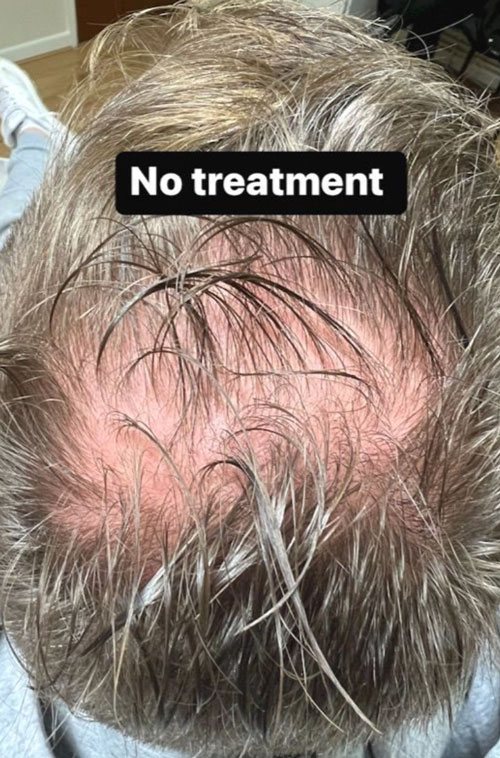
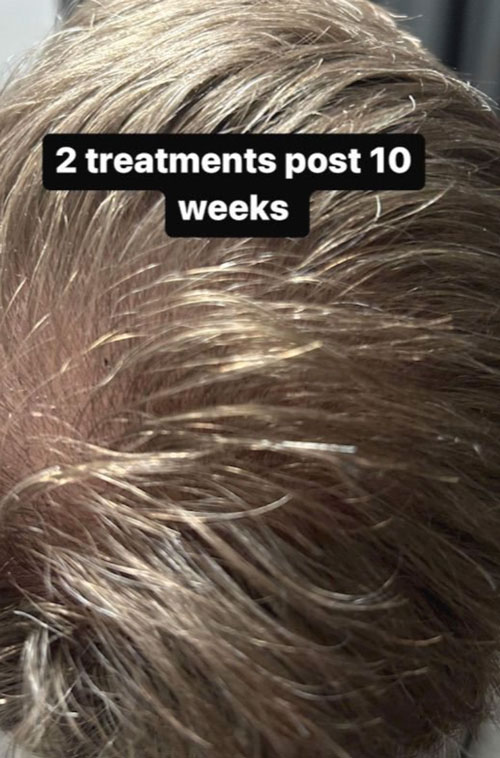
6. Recovery and Results: PRP therapy is generally well-tolerated with minimal downtime. Some patients might experience mild swelling or redness at the injection sites, but these effects usually subside within a day or two. Visible results may take several months to appear, as hair growth is a gradual process. Multiple sessions spaced several weeks apart are often recommended to achieve optimal results.
For menopausal women, PRP therapy offers a few notable advantages:
1. Non-Invasive: PRP is a non-surgical procedure, making it an appealing option for individuals who wish to avoid more invasive treatments.
2. Natural Approach: PRP utilizes the patient’s own blood components, reducing the risk of allergic reactions or complications.
3. Stimulation of Follicles: The growth factors in PRP can revitalize weakened hair follicles, potentially reversing or slowing down hair loss caused by hormonal changes during menopause.
4. Improved Confidence: Thicker, healthier hair can contribute positively to self-esteem and overall well-being, especially for menopausal women dealing with the emotional impact of hair changes.
It’s essential to note that individual results can vary, and not everyone may experience significant improvements. PRP therapy might be most effective for individuals in the early stages of hair thinning and those with active hair follicles. Consulting with a qualified healthcare professional is crucial to determine the most suitable treatment plan based on individual needs and expectations.